Bringing the Land Back to Life
Britain has quietly become one of the most nature-depleted countries on earth. We think food is part of how we bring it back.
Read the story
A letter from Ben
Hi, I'm Ben. Having grown up on a farm, then trained as a chef, I believe eating good food should be a lot easier than it is. That's the mission Butcher Ben was built on. Helping everyone eat well, while supporting the farms and farmers who work to improve the land.
For me, good meat starts long before it reaches the butcher's block. It begins with healthy soil, native breeds and farmers who give their animals the time and care they deserve. My job is to bring that work to your table, make every cut easy to enjoy, and ensure more of what you spend goes back to the people caring for our countryside.
Ben
Good meat, and a better countryside.
Britain has quietly become one of the most nature-depleted countries on earth. We think food is part of how we bring it back.
Read the storyA better way isn't a new invention. It's an old one, re-learnt, and it all starts underground. Look after the soil and it looks after the grass, the animals, the flavour and the planet.
Read the storyOut on pasture for as much of the year as the weather allows, in herds small enough that every animal is known. How an animal lives is the first ingredient in the meat.
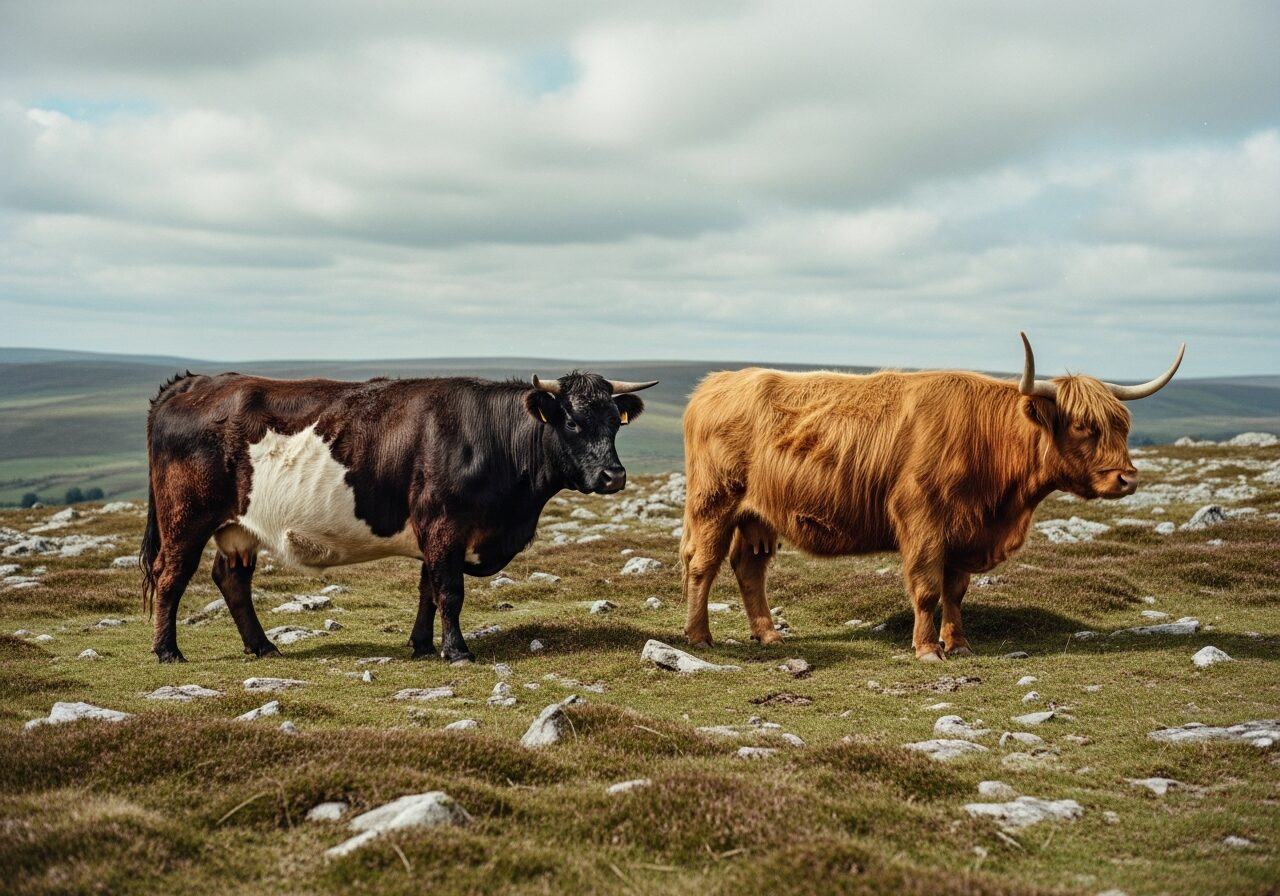
Read the storyHardy native breeds that thrive outdoors on grass, given the time they need to mature properly. Patience is where the flavour comes from.
Read the storyOur animals graze pastures full of different grasses, herbs and wildflowers, and that variety ends up on your plate: in the fat, the depth, the flavour and the nutrients. Feed the animal well and it feeds you well.
Read the storyNature-friendly farming is a public good that's chronically underpaid. We exist to put a fair price back in the farmer's hand.
Read the storyTraceability
Every cut comes from a named British regenerative farm that we know and visit. Your provenance card and pack QR code identify the farm, breed and pasture, so you always know exactly what's on your plate. Meet the people behind it on The Farms page.
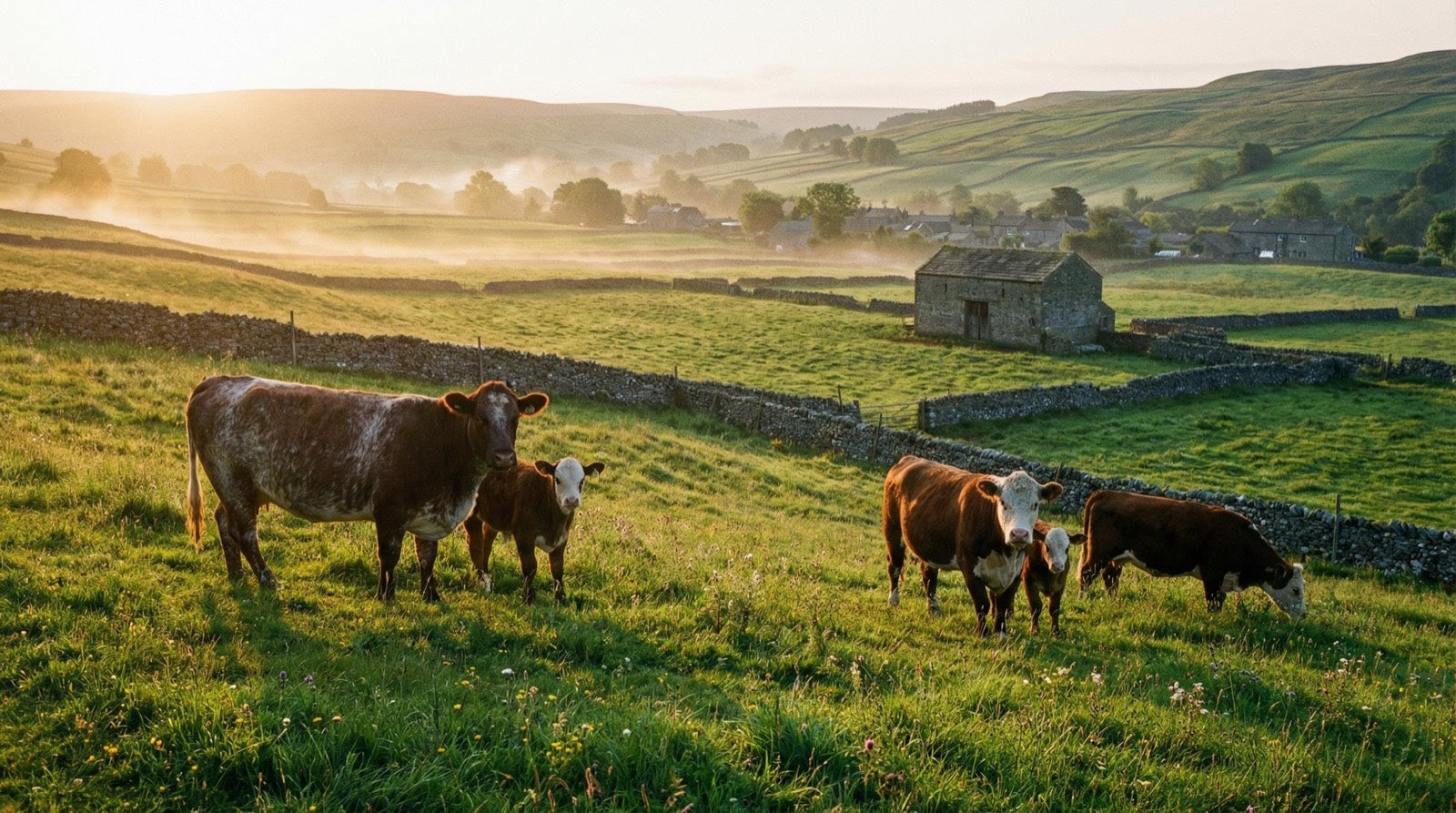
Ashfold Farm Provenance
Regenerative Farming
Regenerative grazing builds organic matter in the soil, increasing its capacity to store carbon, retain water, and support the microbial communities that make healthy pasture possible. Every farm in the Butcher Ben network manages its grazing with soil health as the starting point.
Our farms make room for nature, restoring hedgerows, wildflower meadows and wet corners alongside their grazing. That gives ground-nesting birds like curlew and lapwing, disappearing from much of Britain, somewhere to breed.
Healthy, well-structured soil soaks up rain and filters it naturally, slowing run-off from fields into the rivers downstream. It's one of the quiet benefits of farming for soil health first.
Our animals live genuinely natural lives. They graze on diverse pastures, handled by farmers who know them. None are given antibiotics as a matter of routine, and every farmer works with small, traditional abattoirs close by, keeping journeys short and handling calm. That's what high-welfare means in practice.
Grassland stores carbon in its soil, and how you graze decides whether that store grows or shrinks. Our farms manage grazing to build soil organic matter: carbon, held underground.
Meat is a product of what an animal ate and how long it lived. Ours graze on varied pasture (grasses, herbs and wildflowers) and grow slowly, often reaching twice the age of intensively reared cattle. That diet and that time shape the fat, the flavour and the nutrient density of the meat.
The bigger picture
Diversity is nature's greatest strength, and every species has a role, including us. This is our small part in the recovery, built one box at a time.